
What Certified Fair Trade Coffee Guarantees
Fair trade is based on a simple observation: the producer's income should not depend solely on the fluctuations of the global arabica market, which can lose a third of its value in a single season. In France, the most well-known standard among the general public is that of Fairtrade International, whose Max Havelaar label appears on packaging. It relies on three mechanisms.
- A guaranteed minimum price. Regardless of the market price, the buyer commits to paying at least a floor price defined by sector and origin. When the market rises above this, the market price applies.
- A development premium. An additional sum is paid to the producer organization, which collectively decides how it will be allocated: school, clinic, processing equipment, training.
- Social and environmental specifications. These regulate working conditions, prohibit certain agricultural practices, and require a democratic organization of producers, verified by an independent monitoring body.
This system addresses the problem it set out to solve: securing income in a chain where the producer sells to an intermediary, who resells to an exporter, who resells to an importer, who finally resells to a roaster. It is this chain that we have eliminated.
In Araku, the Producers are Owners
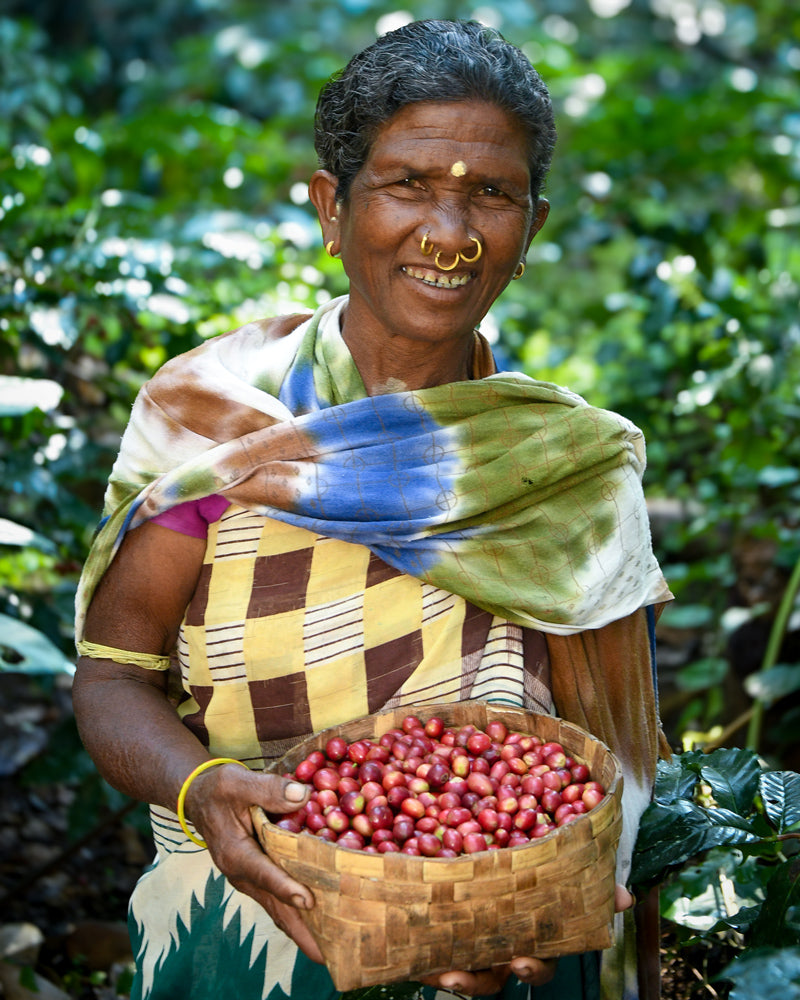
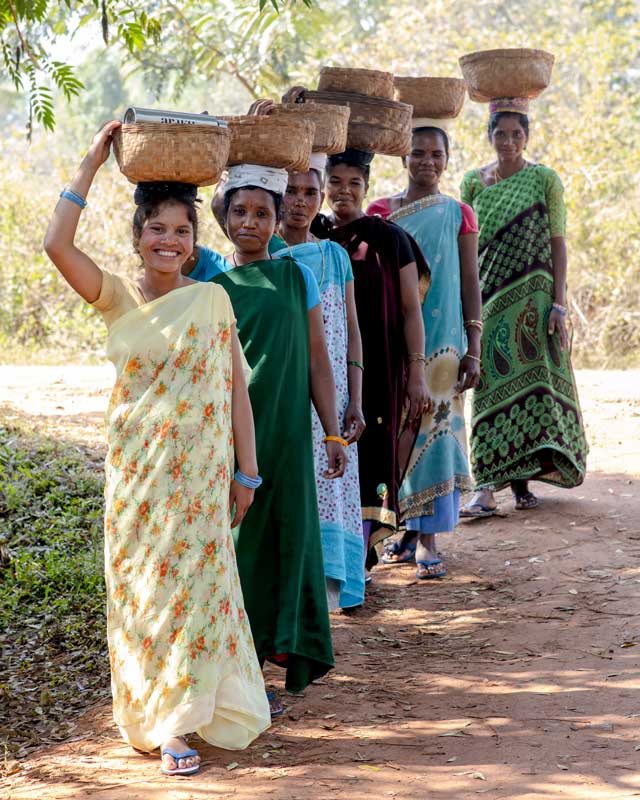
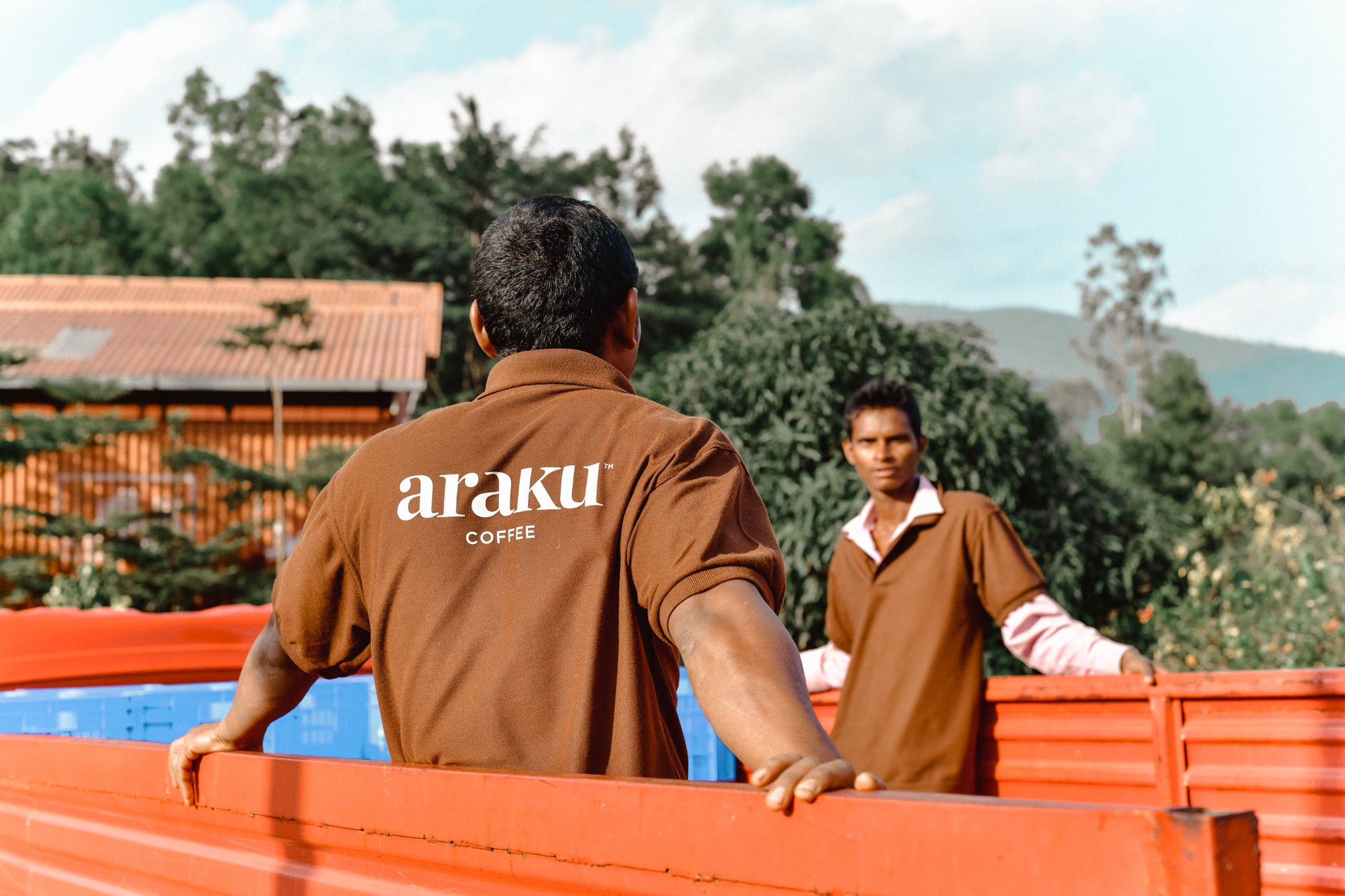
In the Araku Valley, farmers do not sell their harvest to a supply chain. They own every link in it. Since 2007, they have been united in a cooperative that brings together all farmer-producers and the processing unit.
This structure changes the nature of the issue. There is no minimum price to negotiate with a buyer, since it is the cooperative that sets its selling price. There is no premium to redistribute, since the commercial margin goes back to the farmers. Coffee cherries are paid for on the day of harvest, at fixed prices higher than those of the conventional market. Thus, the 10,000 families in the valley have stopped depending on intermediaries and lenders who once structured their economy. This is the principle of our direct circuit, and the core of the model we call Arakunomics.
Regenerating the Soil, and Proving It in the Cup
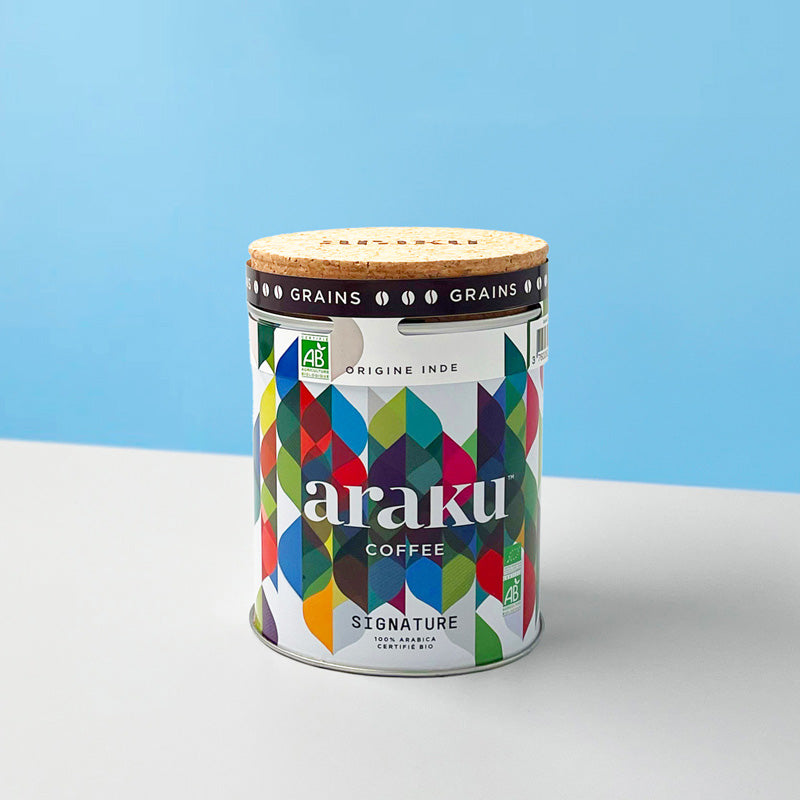
The same logic applies to the environment. We remain certified organic, because these specifications say something verifiable about our practices. We add what no certification requires: agroforestry on all plots, biodynamics, compost enriched with bio-inoculants produced in the valley, territorial mapping shared with residents to balance coffee, firewood, cereals, livestock, and primary forest. In ten years, water consumption has been divided by 36.
Regenerative agriculture doesn't just avoid damaging soil: it rebuilds it. And this work is evident in the cup. Each plot is mapped according to eleven criteria, then tasted, which has led to six terroirs rated at least 86 out of 100 by the Specialty Coffee Association, with some micro-lots exceeding 90. Our specialty coffees are roasted in Paris, in small quantities and according to orders, with a unique profile for each terroir. From seed to cup, the journey is fully traceable.
Why We Are Not Renewing Our Fair Trade Certification
A specification sets a floor, never a ceiling. What an organization does beyond the minimum required does not appear on any label, and is placed, in the eyes of the consumer, in the same category as strict adherence to the criteria.
Therefore, we are no longer renewing our fair trade certification. Not because we dispute its usefulness, but because it poorly describes what we do. Our commitment is not dependent on an annual audit: it is dependent on the ownership structure of a cooperative, twenty years of agronomic work, and tasting notes that anyone can verify.
A label is a useful shortcut when you cannot explain everything. We prefer to explain everything.