

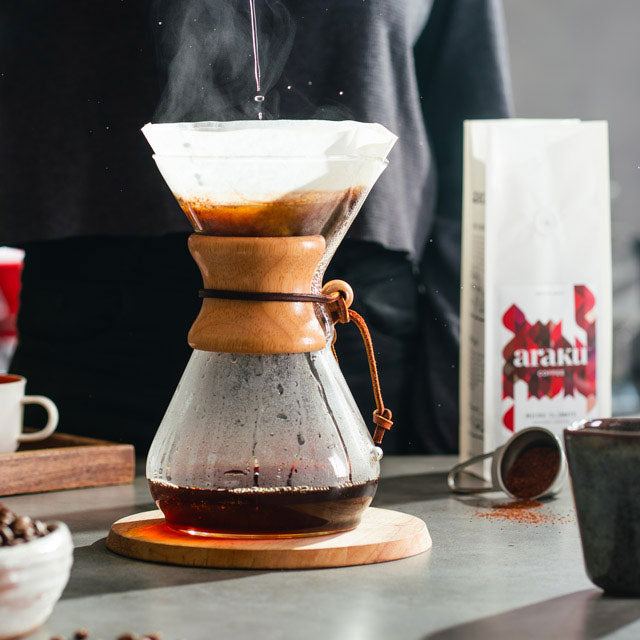
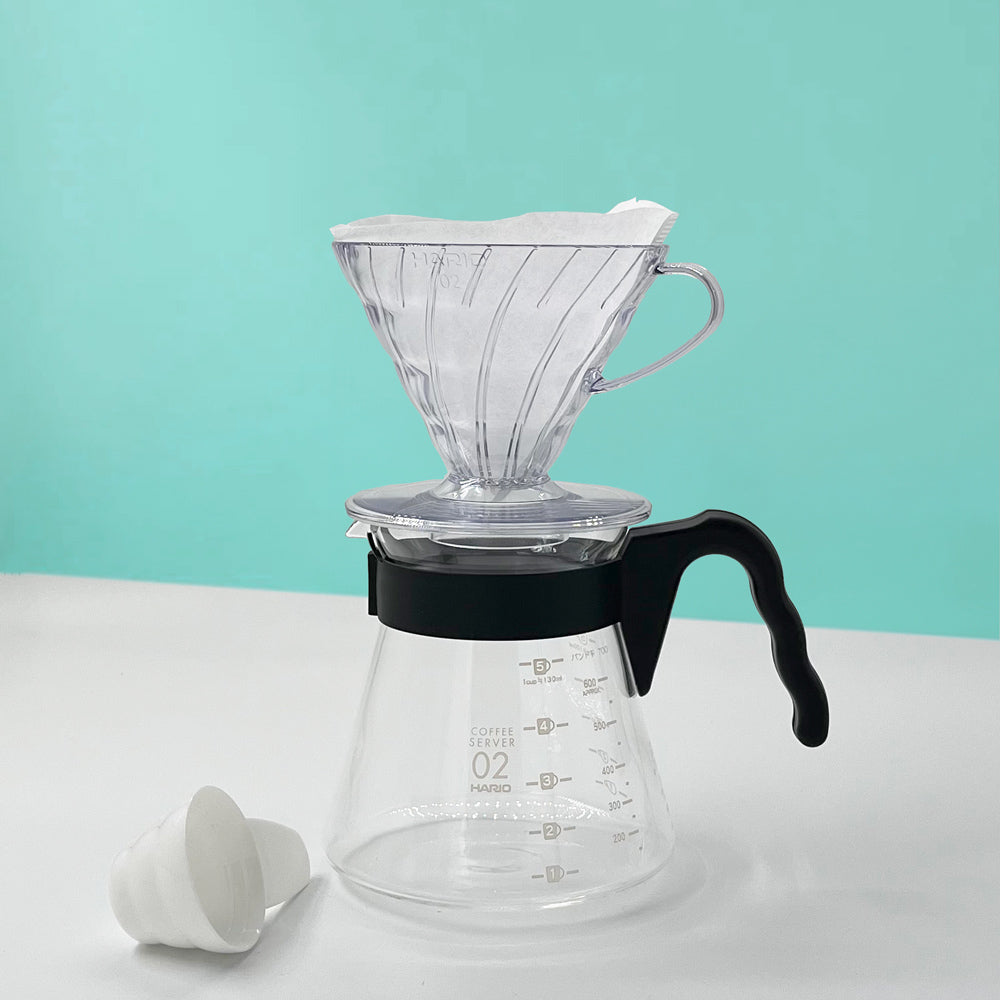
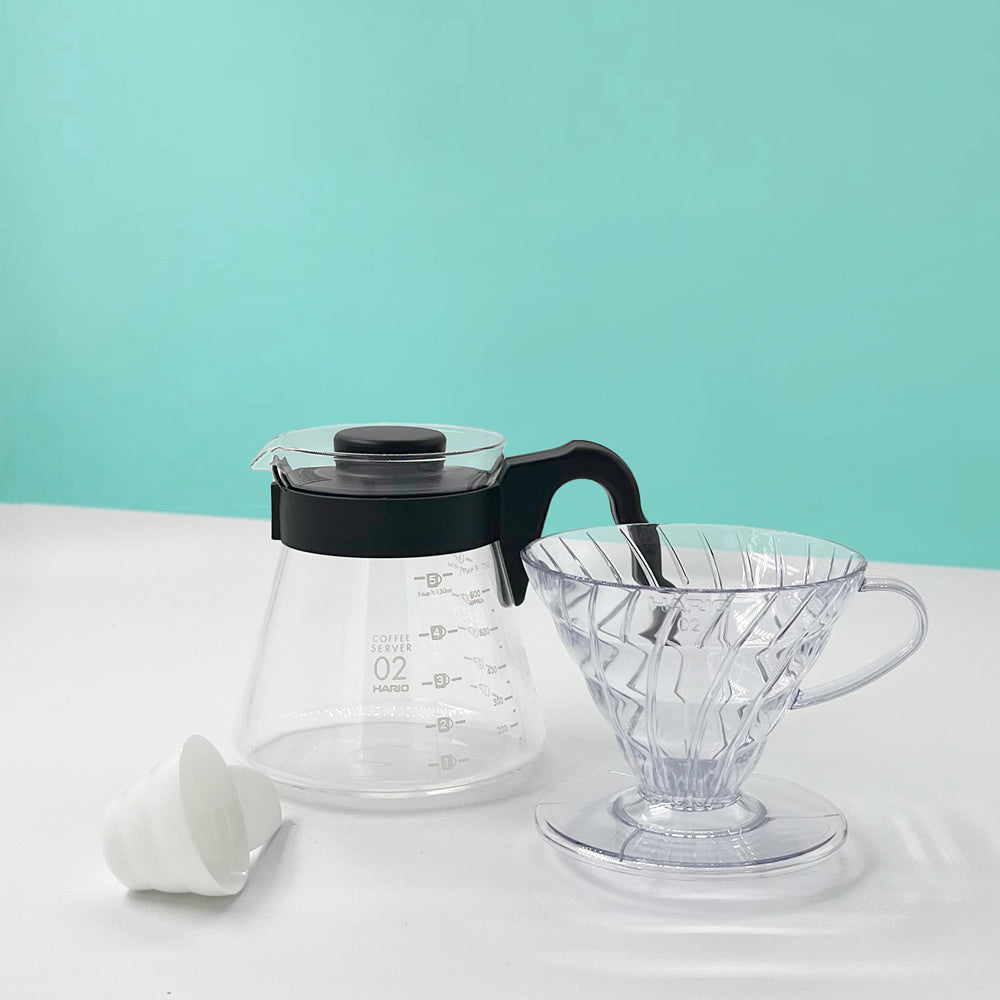
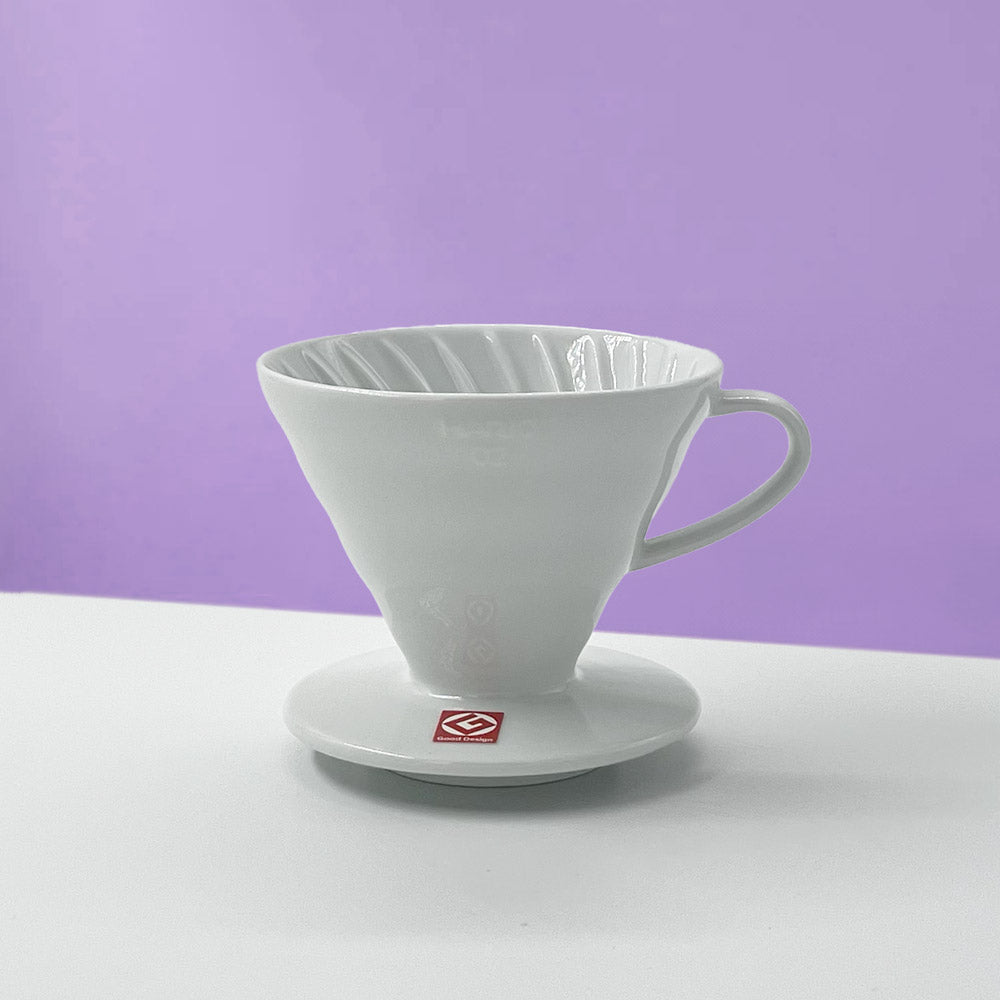





Préparation café méthode douce : cafetière v60 Hario

Never Miss Your Aeropress

Successfully using your Aeropress is primarily a matter of grind and temperature.
Use 16 to 18 g of coffee for 250 ml of water at 91°C, with a medium-fine grind, equivalent to table salt. If it's too fine, it will clog the filter; too coarse, and it will result in a weak cup.
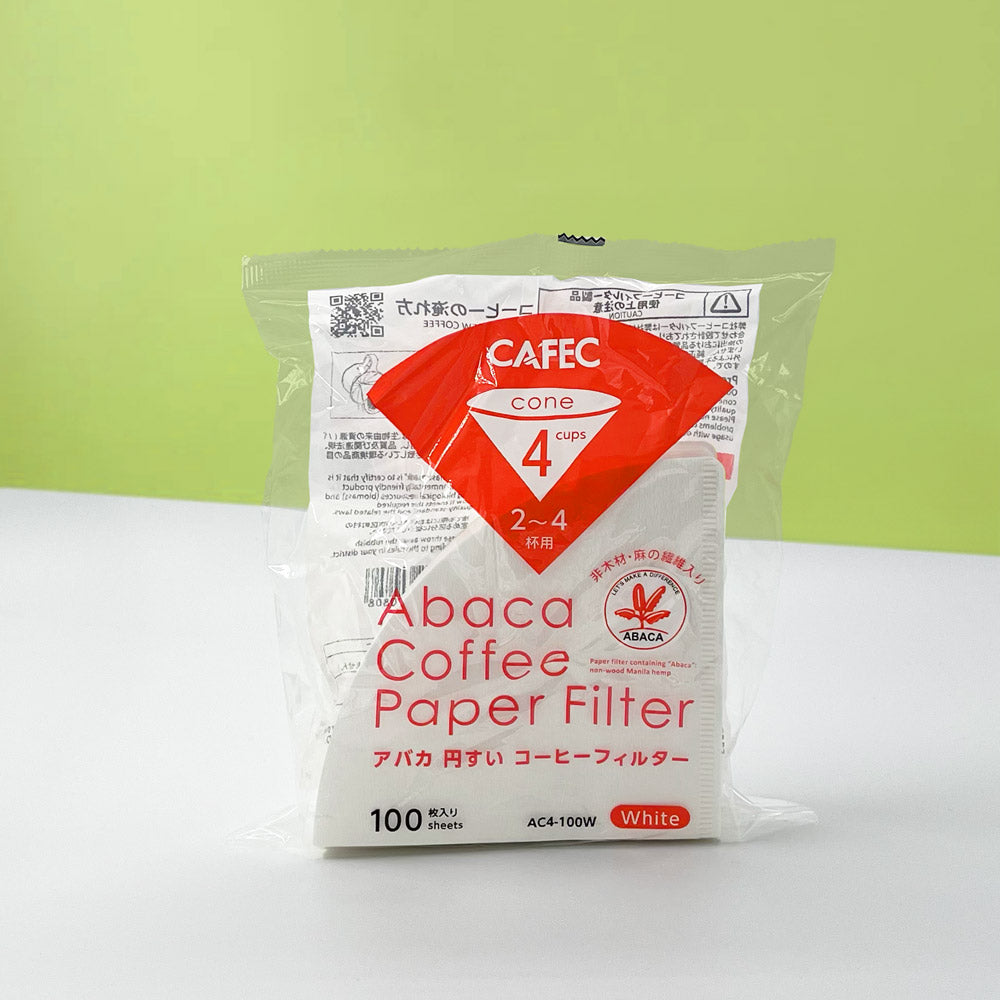
First, rinse the paper filter to remove any taste, empty the water, add the ground coffee, then the water. Slightly insert the plunger to create a vacuum: the flow stops, and infusion begins. Let it steep for 1 to 2 minutes, stir in a circular motion, wait 30 seconds, then press down with constant pressure all the way.
If the coffee tastes bitter, it's a sign of over-extraction: coarsen the grind and lower the temperature by a few degrees. If it's too acidic or bland, do the opposite. Two or three tries are usually enough to find your perfect setting, and it will barely change after that.

Certifié BIO
Café de spécialité
Récolté à la main
Sans intermédiaires
Biodynamie

FAQ

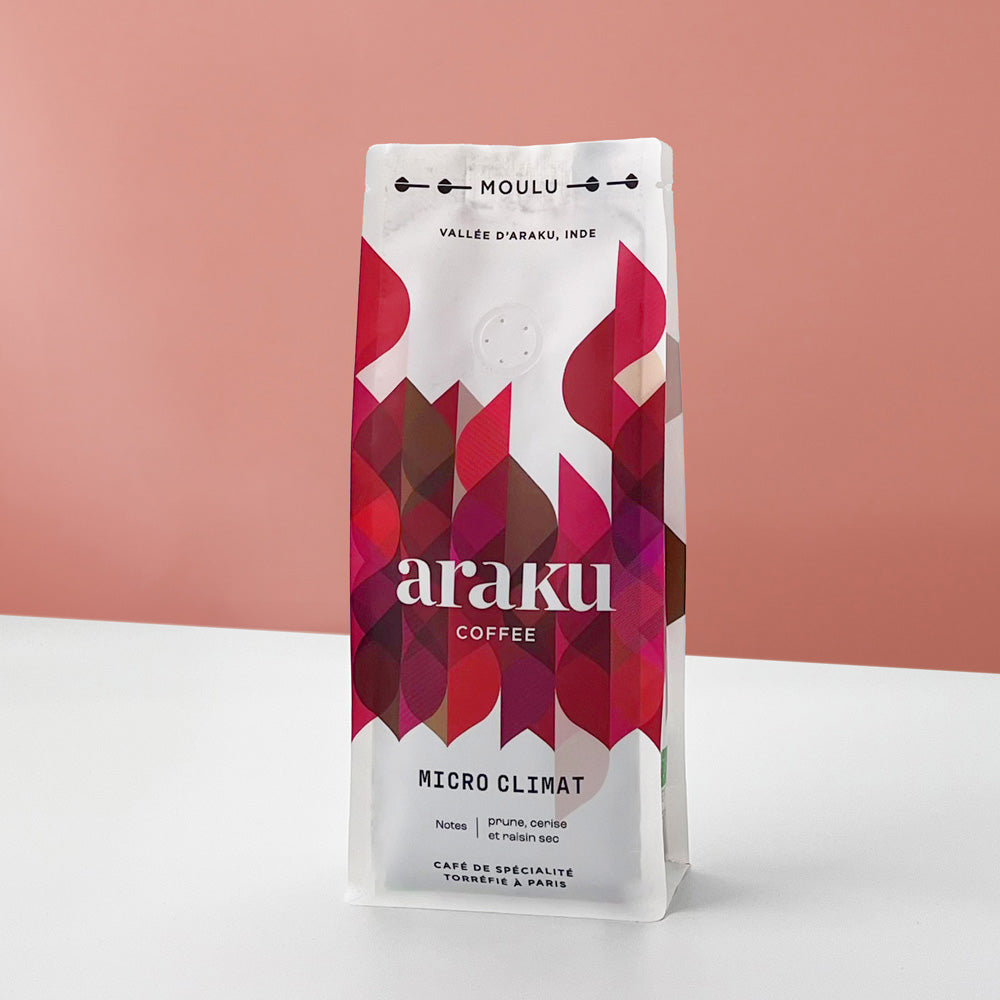
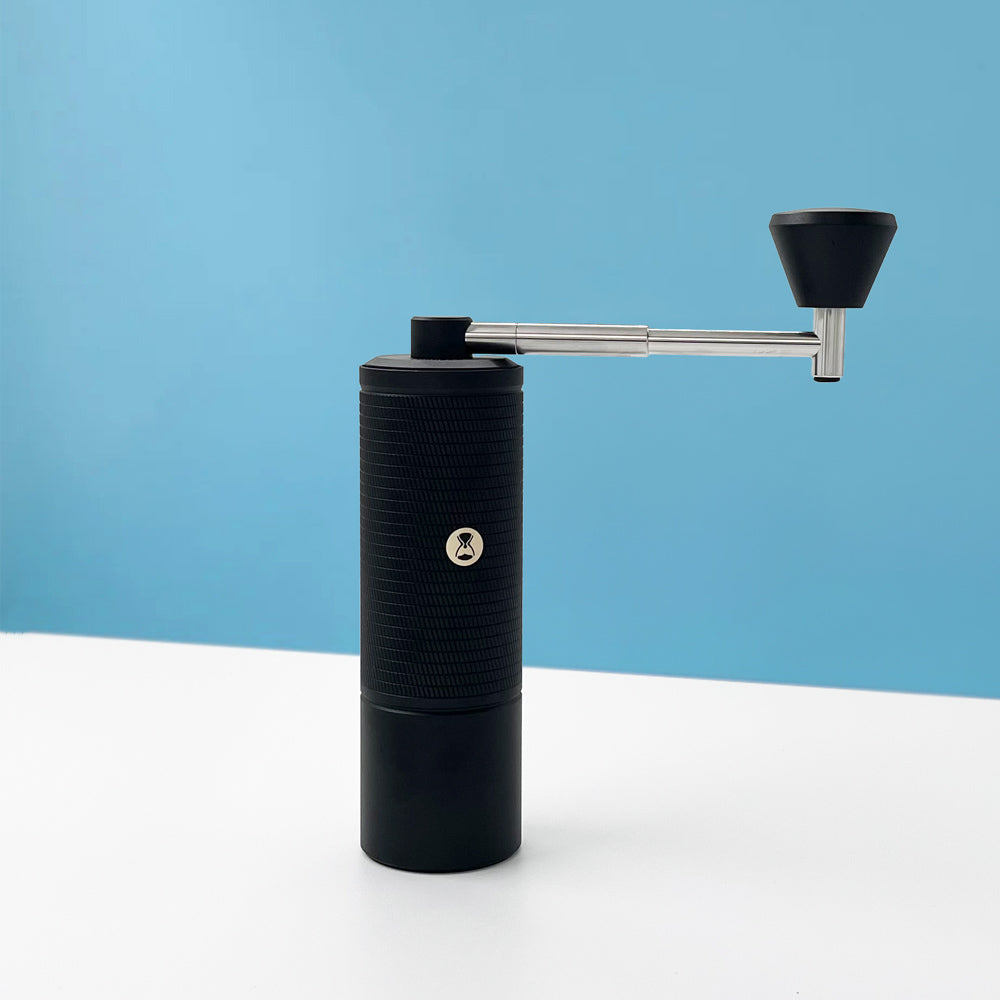
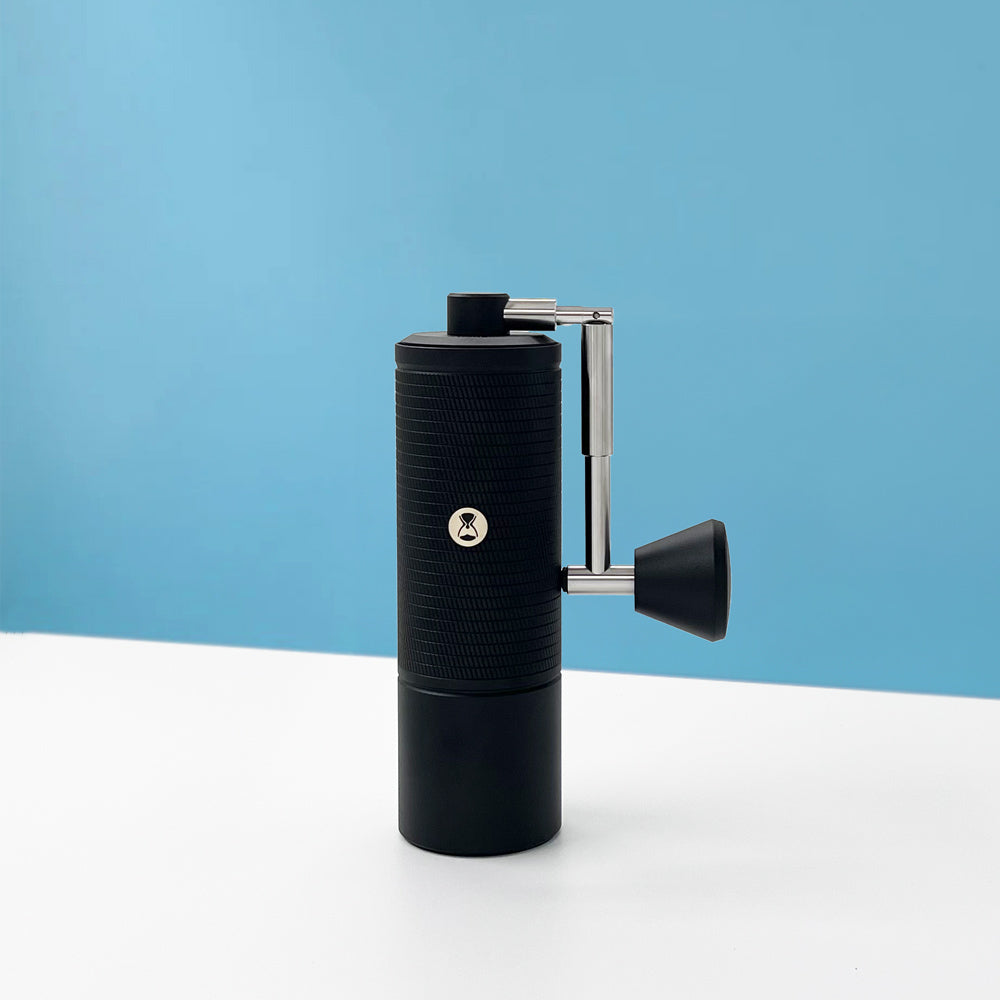
A medium-fine grind, similar to table salt. This is the parameter that most influences your cup: too fine, it clogs the paper filter and makes the plunger very hard to push; too coarse, the water passes through without enough time to extract the aromas. For a Timemore C5 manual grinder, aim for 11 clicks for a light roast and 12 to 14 clicks for a medium to dark roast. And grind just before extraction: freshly ground coffee retains nuances that coffee prepared the day before has already lost.

Not in the strict sense. An espresso requires about 9 bars of pressure, whereas an Aeropress piston generates much less. However, by reducing the water to 60-80 ml for the same dose of coffee, you get an intense, syrupy concentrate that's excellent as a base for lattes or diluted like an americano. This is precisely the appeal of this coffee maker: it doesn't try to imitate a machine; it offers its own unique style.

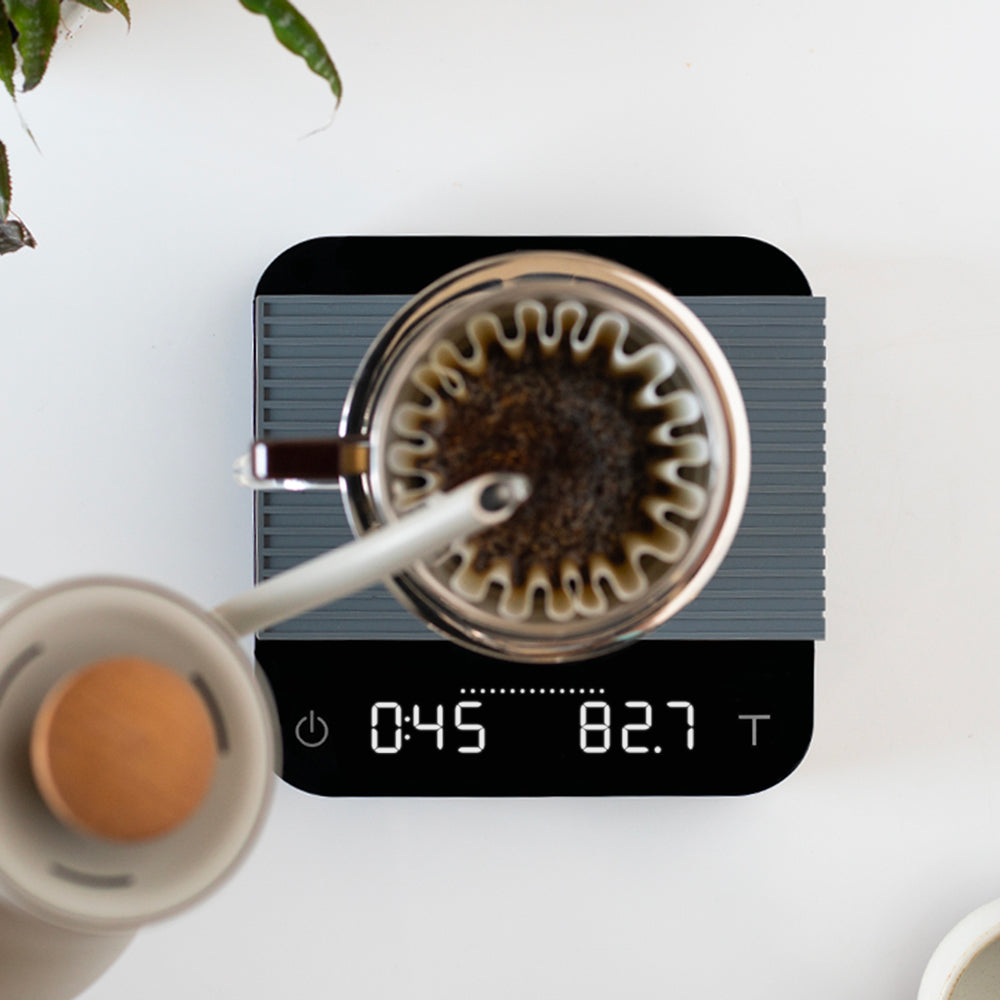
It is even its primary purpose. Lightweight, almost unbreakable, it slips into a bag without special care and cleans in ten seconds: a plunger over the bin and the grounds come out in a compact puck. Take 200g of ground coffee, a set of filters, and you have enough to last all week. The only real luxury not to forget is the scale: it ensures that your Monday cup tastes like your Saturday one.

Nos gammes de Cafés Bio

Café d'exception

Les cafés d'exception ARAKU incarnent l'excellence, il se distinguent par une qualité incomparable et des caractéristiques sensorielles remarquables.

Cafés de spécialité

Les cafés de spécialité obtiennent généralement des notes supérieures à 80 sur 100, et le café ARAKU obtient régulièrement des notes supérieures à 90.

Cafés pur Arabica

Les cafés de spécialité ARAKU sont exclusivement constitué de grains de la variété Arabica, reconnue comme la plus prisée et la plus appréciée à l'échelle mondiale.

Cafés Equitable

Les cafés de spécialité ARAKU sont équitables et respectent des normes de commerce éthiques qui assurent des conditions de travail justes et dignes pour les producteurs.

Cafés Indien

Les cafés indiens ARAKU proviennent d'une vallée en Inde. L'Inde se distingue par une culture du café de spécialité florissante qui en fait l'un des meilleurs du monde.

Cafés Grand cru

Les cafés Grand Cru sont des cafés d'exception. Ils sont sélectionnés avec soin dans des régions spécifiques, renommées pour leur culture de café de spécialité.

Café Bio

Les cafés biologiques sont cultivés dans le respect de pratiques agricoles qui préservent l'environnement et excluent l'usage de pesticides et d'engrais chimiques.

Capsules Home Compost

Les capsules biodegradables compatibles Nespresso Araku sont fabriquées uniquement à partir de matériaux organiques. Ce qui les rend entièrement compostable.