

Washed, natural, honey: three paths to reveal coffee
These three methods are not just about different techniques; they represent three ways of treating the raw material. The climate, drying time, amount of mucilage retained around the bean, and fermentation level directly influence the final sensory profile. At Araku, this choice is always made to best reveal the terroir, variety, and style of each coffee.
Washed processing: clarity above all else
Washed coffee is often associated with a precise, clean, and vibrant cup. After harvesting, the cherry is de-pulped, then the beans ferment in water before being washed and dried; this approach removes much of the pulp and mucilage, which further highlights the intrinsic structure of the bean. The result: a clearer, often more acidic expression, with a refreshing sensation highly appreciated during tasting.
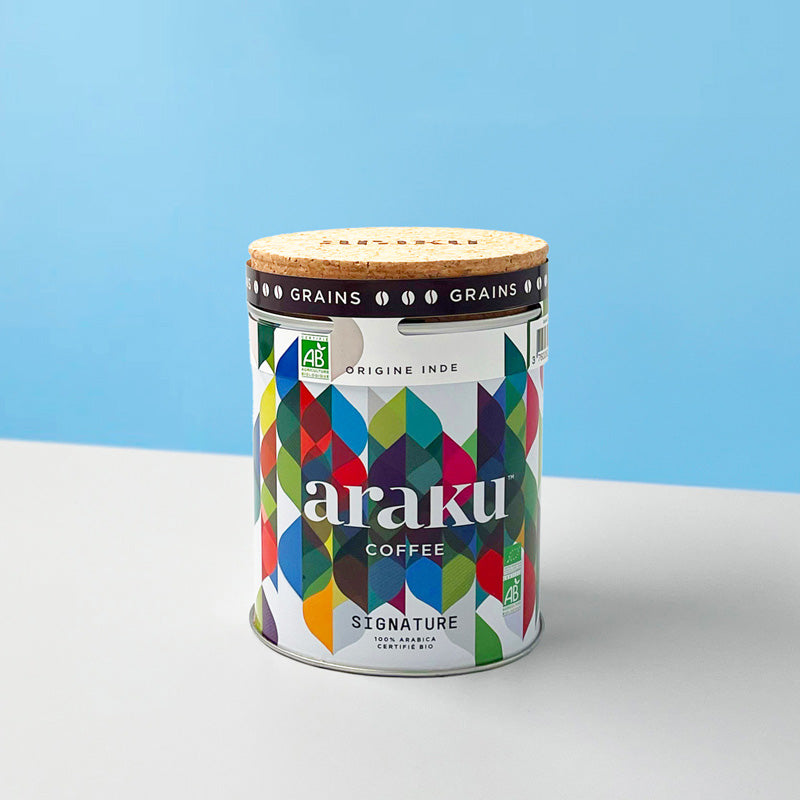
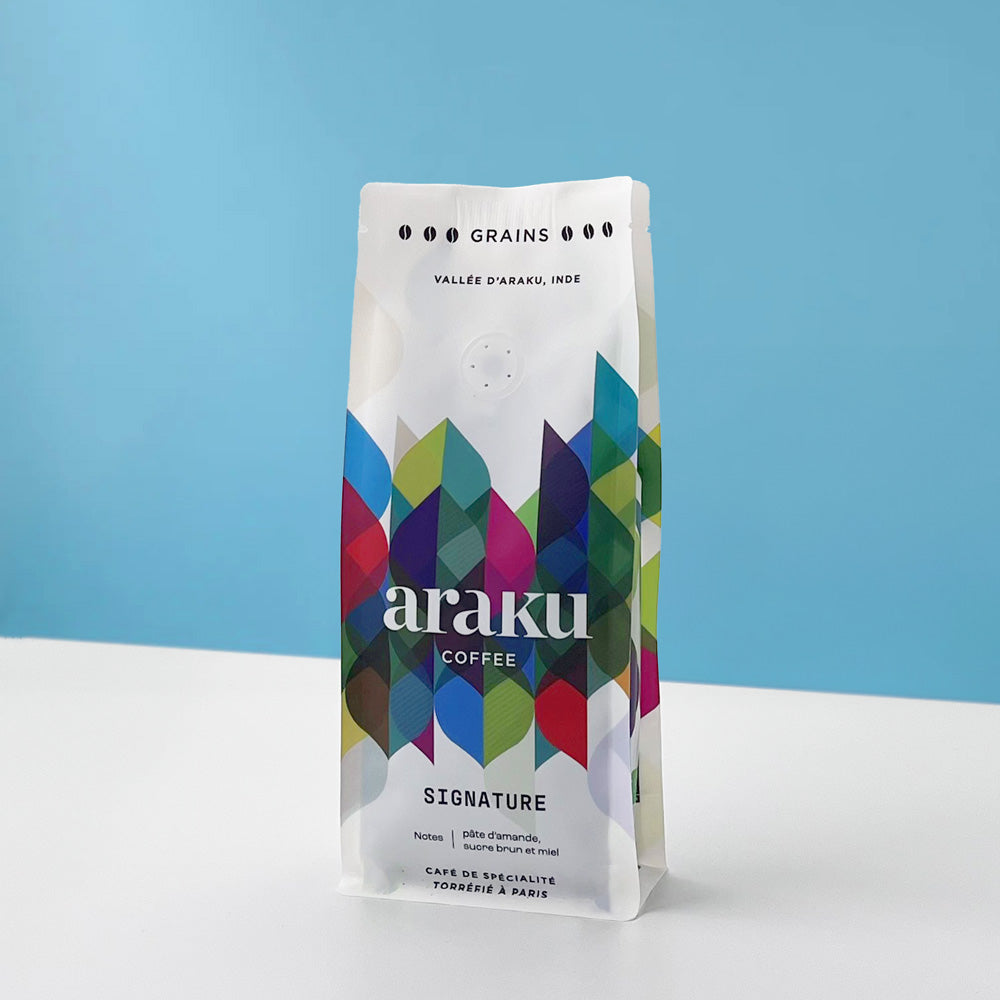
At Araku, this profile corresponds to the Signature, which is labeled as 100% washed on our product pages. Its cup style, described as an ideal gateway to specialty coffee, perfectly reflects the spirit of the washed process: an accessible, balanced, precise coffee that allows the terroir to express itself without masking nuances. Natural processing: fruit, body, and generosity
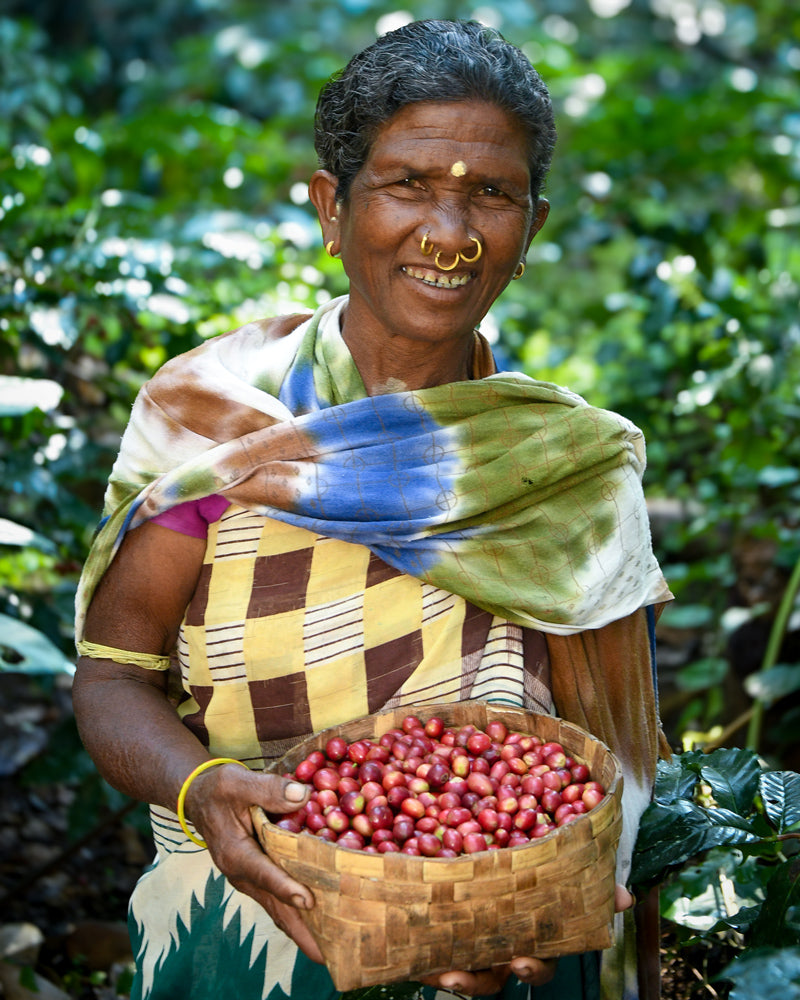
Natural processing, on the other hand, focuses on intensity. Here, the cherries dry whole, with their pulp, for several days or weeks depending on the conditions; during this time, the bean gradually absorbs the sugars and aromas contained in the fruit. This process requires real vigilance, as drying must be regular to avoid overly strong fermentations, but when well-controlled, it produces richer, fuller, and often very fruity coffees.
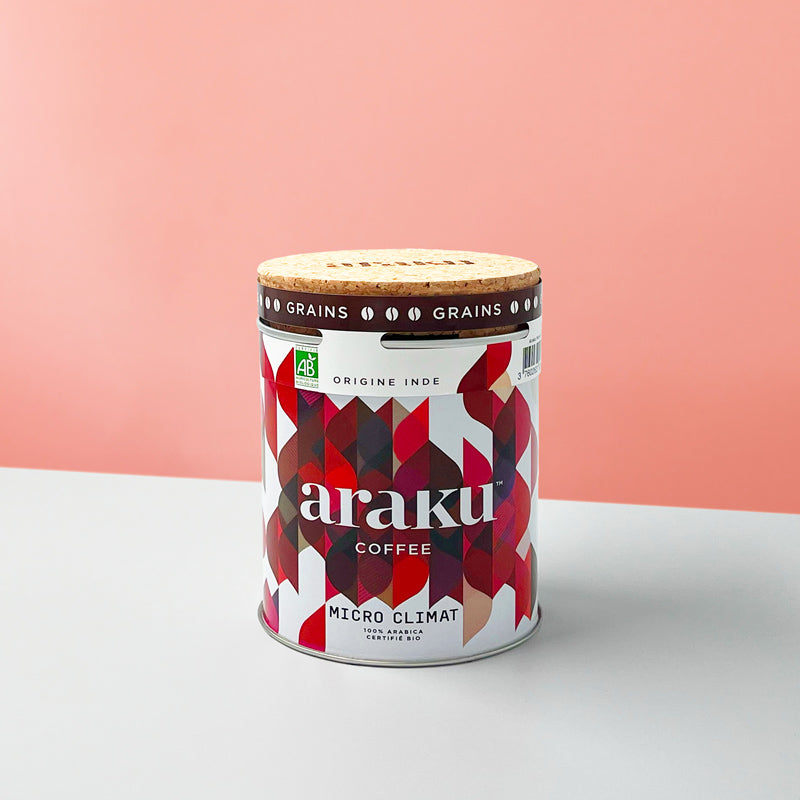
At Araku, the Micro Climat is the best example of this expression: it is labeled as 100% natural and develops a round, generous, and fruity profile. This type of processing is perfect for a coffee that wants to assert a true personality in the cup, with more body, sweetness, and aromatic depth.
Honey: the balance between two worlds
Honey processing lies between washed and natural. After de-pulping, part of the mucilage remains on the bean during drying, which brings more roundness and sweetness than a washed coffee, while maintaining a clearer structure than a natural one. This process is often appreciated for its gourmet, balanced, and slightly brighter character than washed coffee.
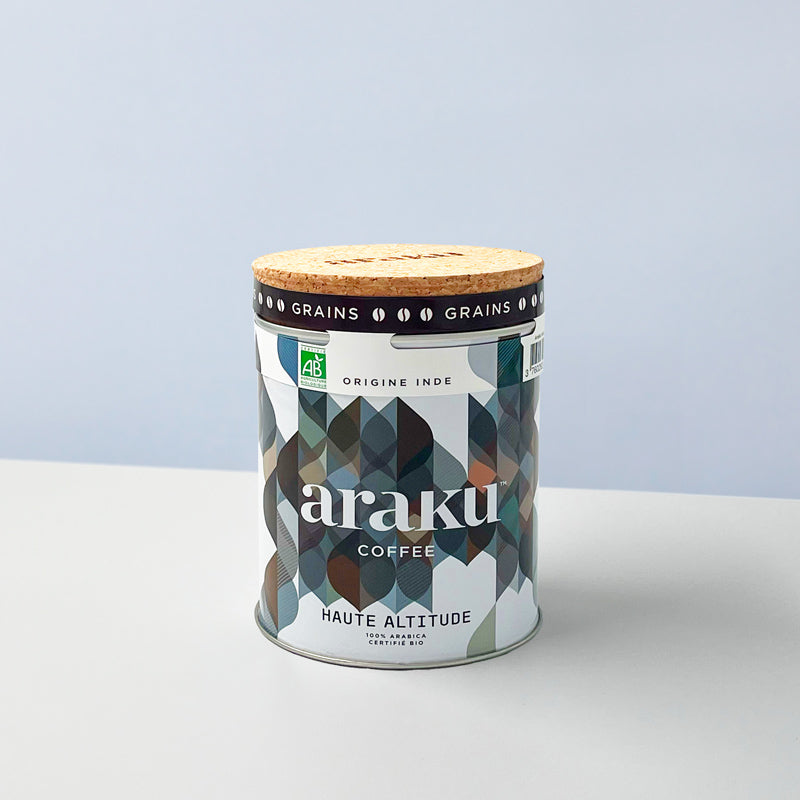
At Araku, this profile is found in the Haute Altitude with its 100% dark honey process, making it an excellent bridge between power and sweetness. This coffee is particularly suitable for espresso, with a fuller texture, deeper notes, and a generous character that immediately appeals to lovers of intense coffee.
Which process for which Araku coffee?
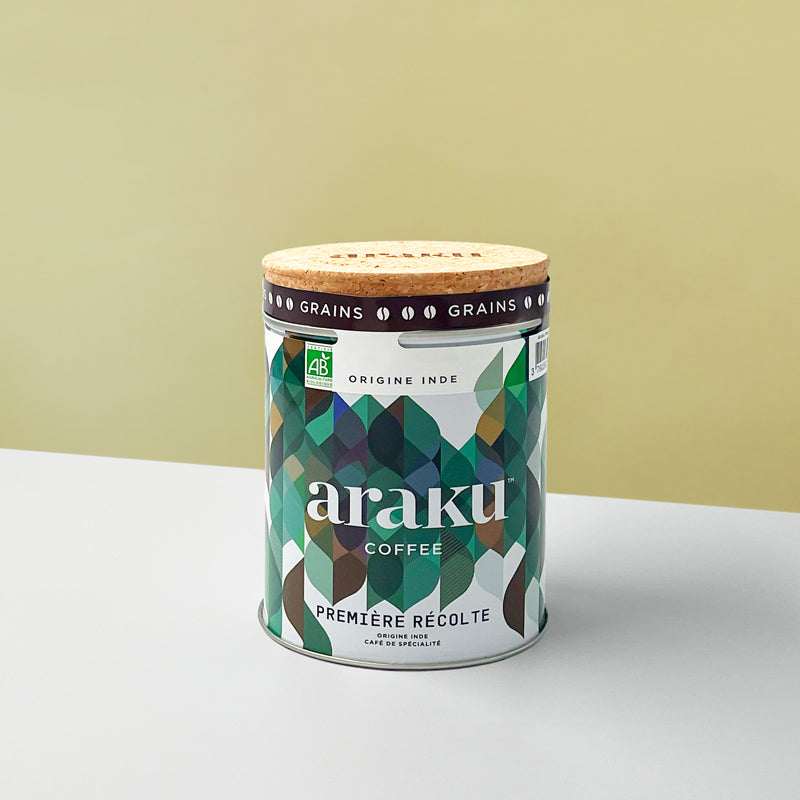
Each Araku coffee finds in its processing a true extension of its identity. The Signature relies on the crispness of washed processing, the Micro Climat on the gourmet richness of natural processing, and the Haute Altitude on a hybrid balance of dark honey. If you wish to broaden the example, Première Récolte also combines both worlds with a 20% natural / 80% washed profile, which explains its freshness and aromatic lightness.
Ultimately, what matters is not just knowing the processes, but understanding what they produce in the cup. At Araku, this logic is particularly clear: each processing method serves a precise taste intention, with coffees designed for different moments, different extractions, and different desires.
In summary
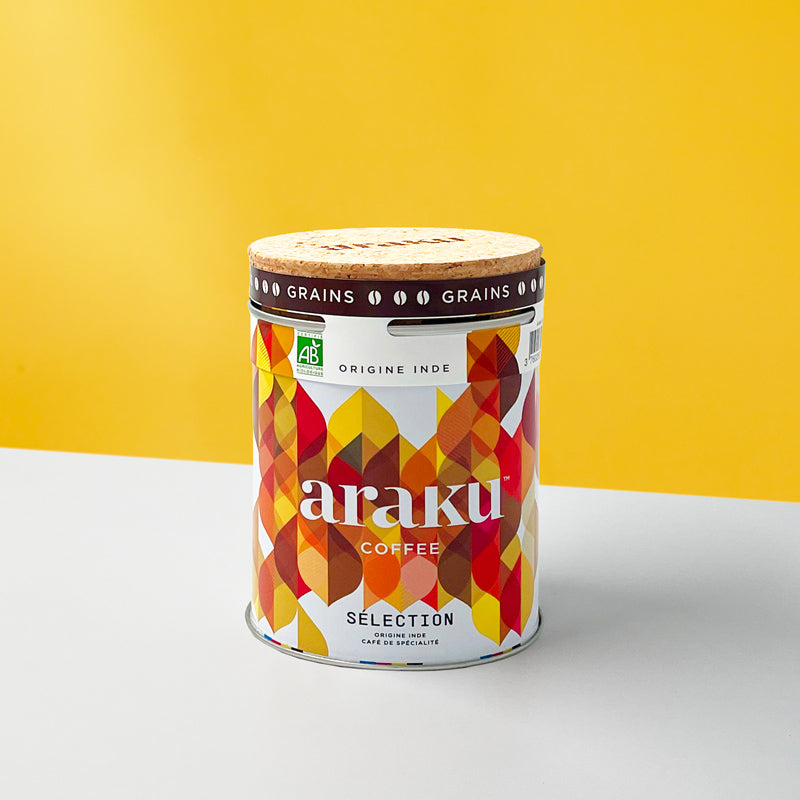
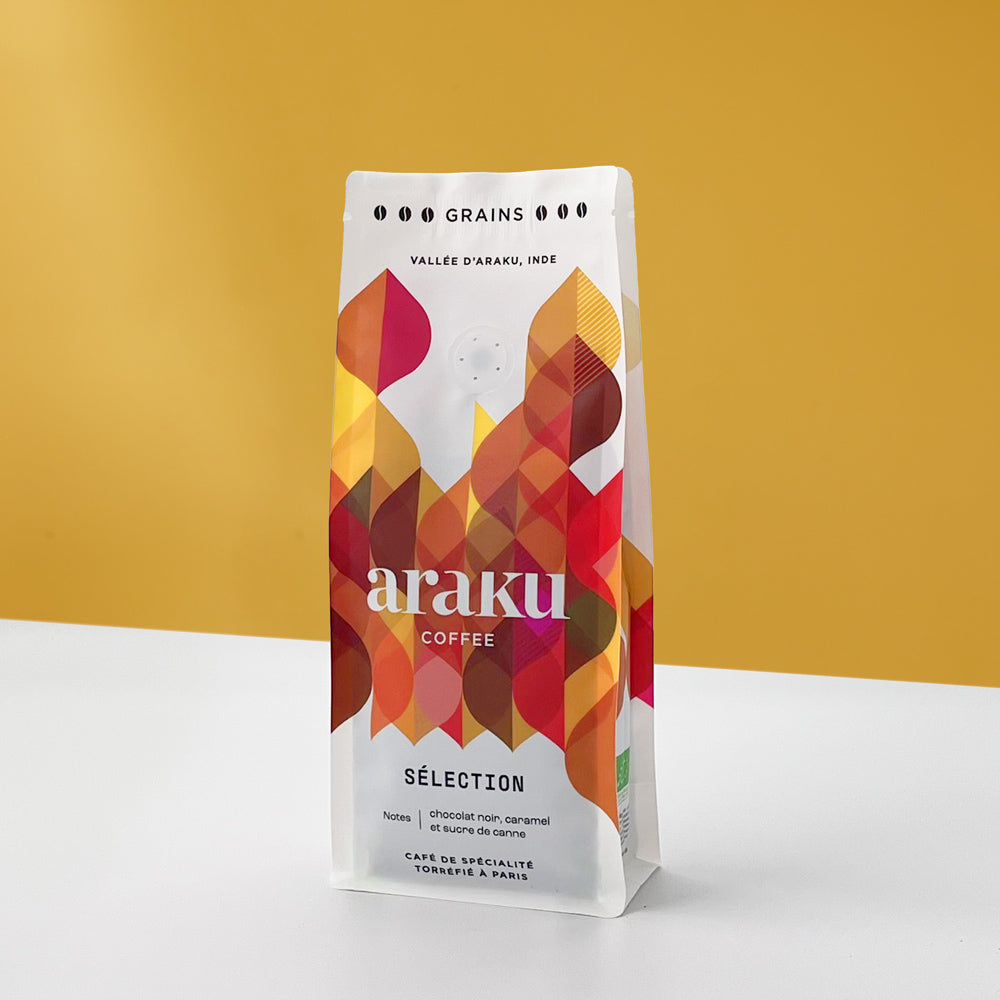
Washed, natural, or honey are not just three more technical variations in the world of coffee. They are three sensory languages, three ways of writing coffee after harvesting, and three gateways to distinct aromatic profiles. At Araku, this diversity translates into coffees whose process is consistent with their gustatory identity: Signature for clarity, Micro Climat for fruit, Sélection for gourmet roundness.